
Understanding Residential Solar Installation
Residential solar installation focuses on helping homeowners evaluate, plan, and implement a system that offsets a portion of their long-term electricity usage. Rather than approaching solar as a quick upgrade, the process begins with understanding the home's energy patterns, roof condition, and overall project scope. Each installation is designed around existing residential structures, ensuring that equipment integrates with the home in a practical and reliable way.
Solar systems are sized based on average consumption, sunlight exposure, and local utility guidelines. Planning also includes reviewing potential incentives, financing pathways, and structural considerations before any work begins. Taking time to assess these factors helps create a clearer direction and reduces uncertainty during installation. Residential solar installation is most effective when approached as a structured improvement to an existing home, with attention given to both system performance and long-term reliability.
What's Included in Solar Installation
A residential solar installation includes coordinated planning, equipment setup, and system activation designed to integrate with your home's existing electrical structure.

System Design
System design begins with evaluating your roof layout, sunlight exposure, and average electricity usage. These factors determine panel placement and overall system size. The goal is to create a balanced design that aligns with your home’s structure and long-term energy needs.
Panel Installation
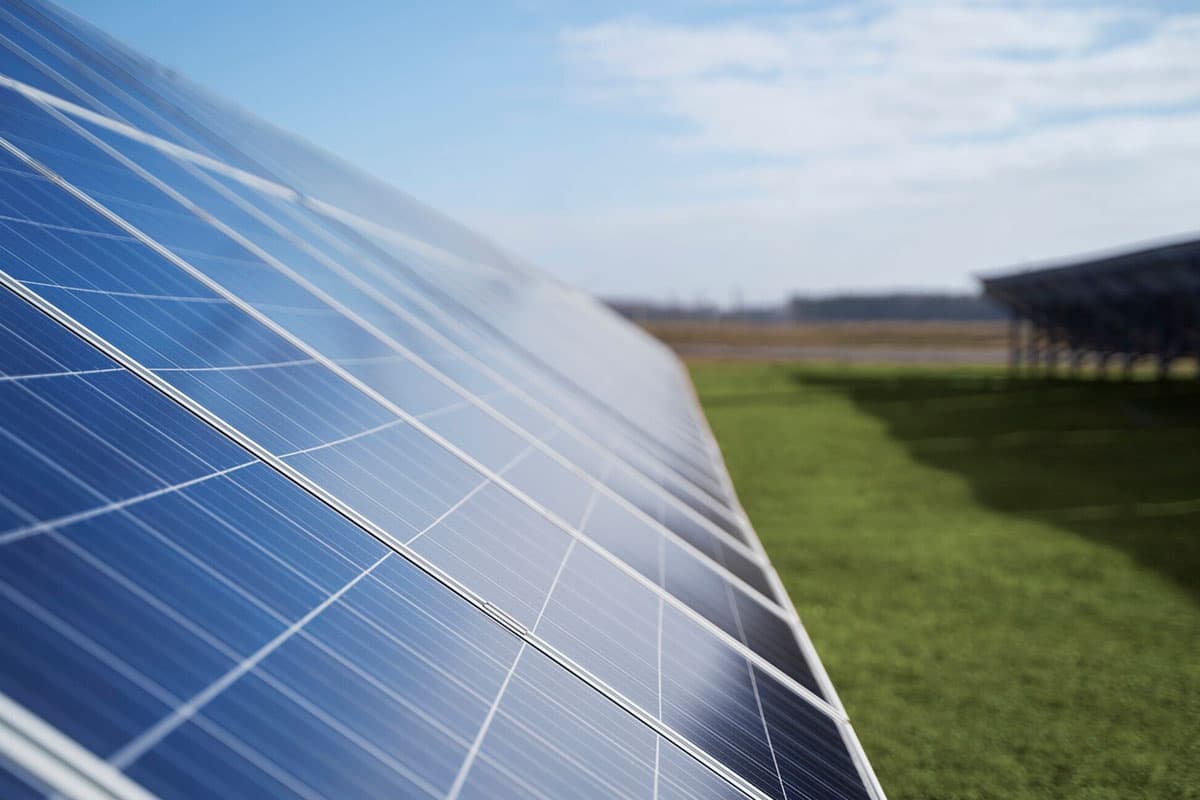
Solar panels are mounted securely to your roof using installation methods suited to your roof type. Careful placement helps optimize sunlight exposure while maintaining structural integrity. Installation follows local codes and manufacturer guidelines.

Inverter Setup
The inverter converts generated direct current electricity into usable alternating current for your home. Proper setup ensures safe and efficient energy flow. This component plays a central role in overall system performance.

Inspection & Activation
After installation, the system undergoes inspection to confirm compliance with local regulations and utility requirements. Once approved, the system is activated and connected. This step ensures the system operates safely and in alignment with grid policies.

Savings & Long-Term Return on Investment
Evaluating solar savings involves reviewing current utility rates, projected energy usage, system size, and available incentives. Savings vary based on geographic location, electricity consumption patterns, and financing structure. Rather than promising fixed outcomes, residential solar installation is typically assessed through estimated ranges and long-term projections. Over time, consistent energy production may offset a portion of cumulative utility costs. The overall return on investment depends on installation cost, incentive eligibility, and system performance. A structured review of these variables provides a more accurate understanding of potential financial impact before moving forward.
Benefits of Residential Solar Installation
Solar installation can support long-term energy planning when approached with realistic expectations and structured evaluation.
Generating power on-site lowers the amount of electricity purchased from utility providers.

Evaluate Your Solar Savings
Understanding how solar may perform for your home begins with reviewing your ZIP code and monthly electricity usage. Taking a few moments to evaluate these factors can provide clearer insight into estimated savings and qualification pathways.