
Understanding Solar Installation Solutions
Solar installation solutions are structured around helping homeowners evaluate how a residential solar system may integrate with their existing home. Rather than treating installation as a quick upgrade, the process begins with reviewing energy usage patterns, roof configuration, and long-term planning goals. Each system is designed to align with household electricity needs while considering local utility policies and regulatory requirements.
Planning includes assessing sunlight exposure, structural considerations, and available incentives before any equipment is installed. This approach helps create clarity around system size, placement, and projected performance. Solar installation is most effective when it is treated as a structured improvement to an existing property, supported by careful evaluation and clear expectations. Taking time to understand these factors allows homeowners to move forward with greater confidence and fewer uncertainties.
What's Included in Solar Installation Solutions
Solar installation solutions involve coordinated system planning, equipment integration, and structured implementation designed to work safely and efficiently within a residential property.
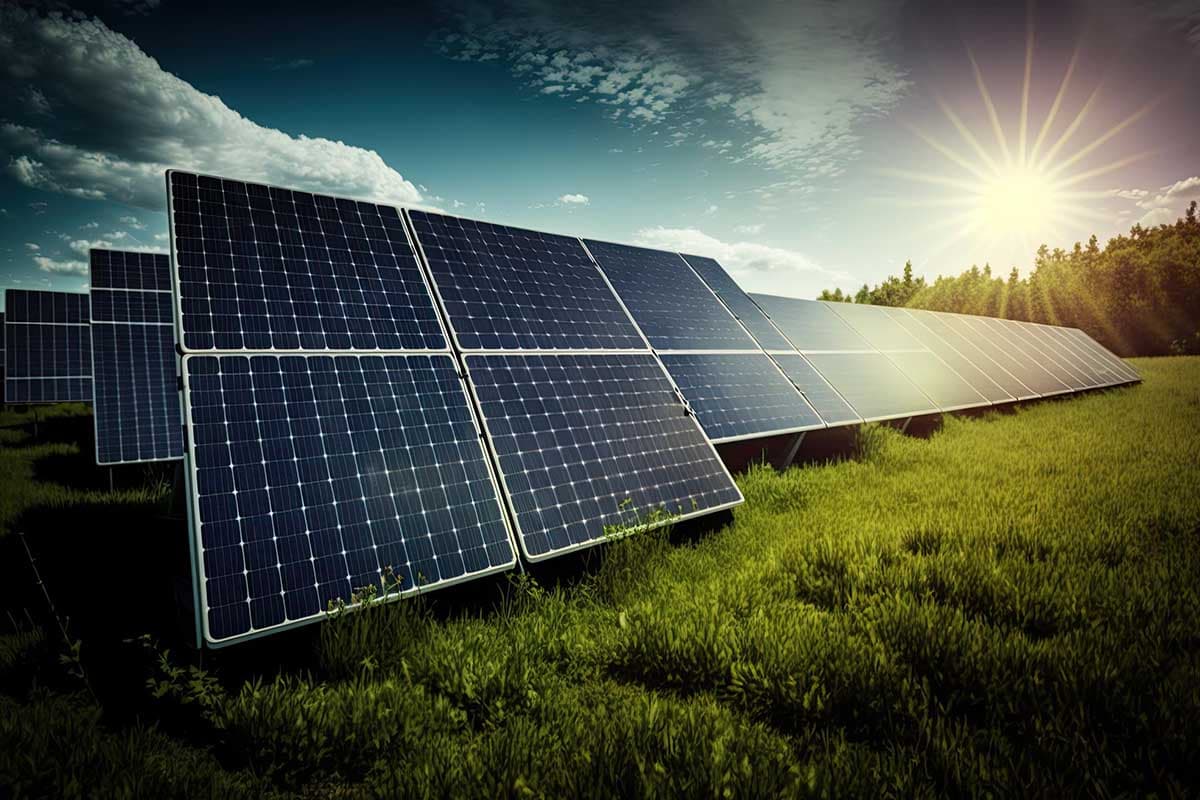
Site Evaluation & System Planning
The process begins with reviewing roof orientation, shading conditions, and electricity usage patterns. These factors help determine system size and panel placement. Careful planning ensures the design aligns with the home’s structure and long-term energy goals.
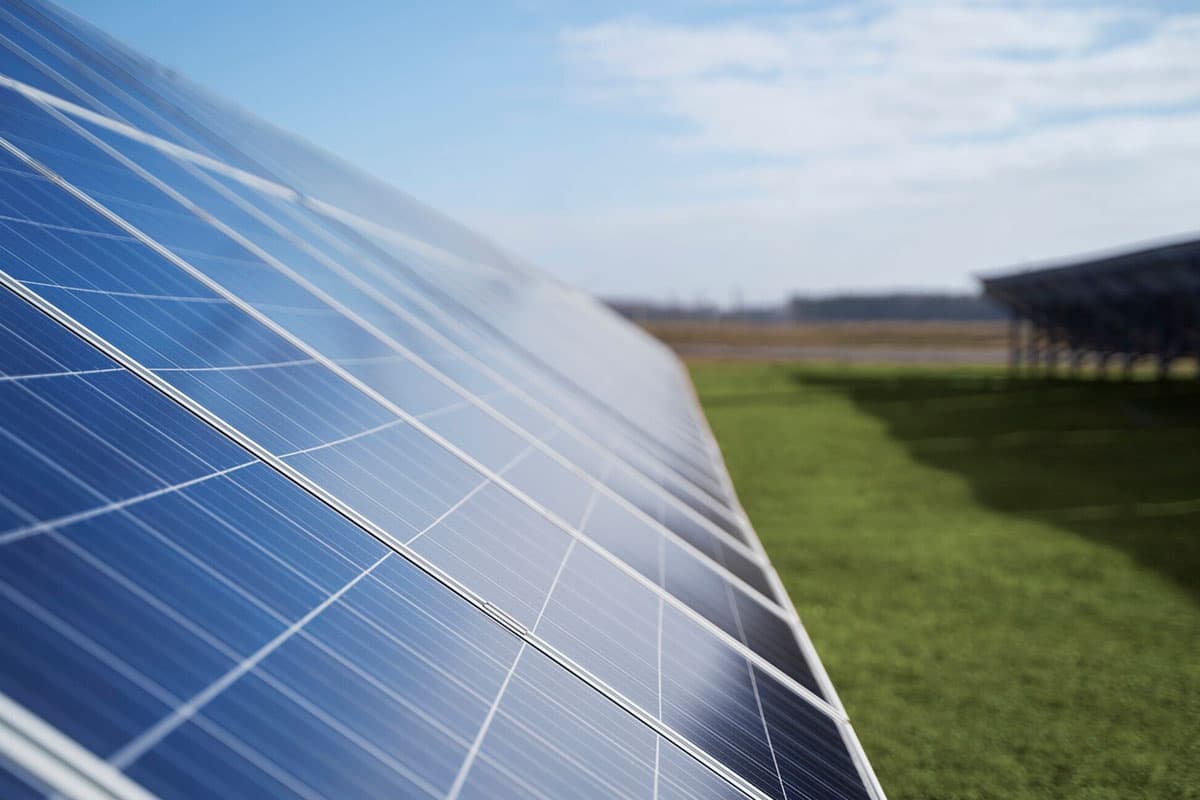
Equipment Installation
Solar panels and mounting hardware are installed using methods appropriate for the specific roof type. Installation follows manufacturer guidelines and local building codes. Proper placement supports both performance and structural reliability.
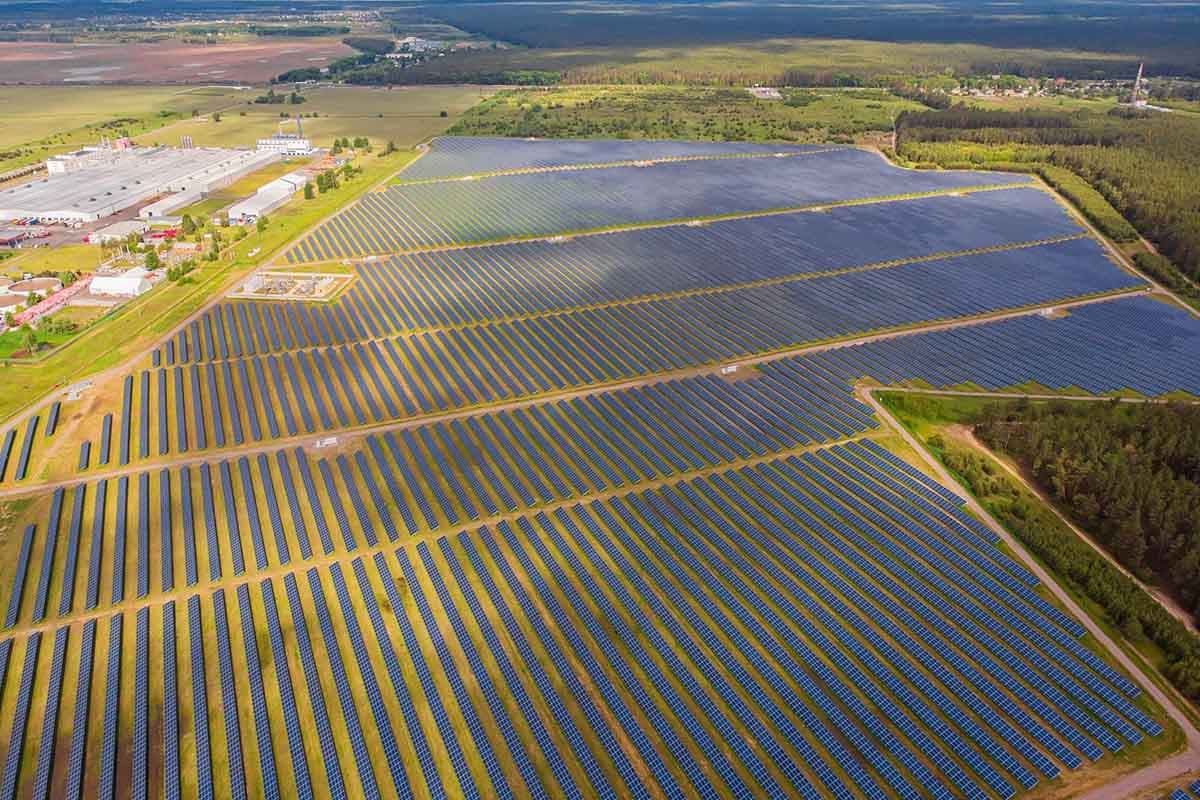
Electrical Integration
The solar system is connected to the home’s electrical panel through approved wiring and safety components. This integration allows generated electricity to power household systems. Compliance with electrical standards is verified during this phase.

Utility Coordination & Activation
After installation, the system is reviewed for inspection and utility approval. Once authorized, the system is activated and connected to the grid. This step ensures safe operation and alignment with local regulations.
Evaluating Savings & Long-Term Return
Understanding potential savings involves reviewing installation costs, projected energy production, and local utility rates. Outcomes vary depending on geographic location, electricity consumption, system size, and financing structure. Rather than promising fixed reductions, solar performance is typically presented through estimated ranges. Over time,
consistent energy generation may offset a portion of cumulative utility expenses. Federal incentives, loan terms, and energy pricing trends all influence financial results. Taking a structured approach to these variables provides a clearer picture of long-term value before making a decision.
Benefits of Solar Installation
When approached with structured planning, solar installation can support long-term energy management goals.
Generating electricity on-site lowers reliance on grid-supplied power.
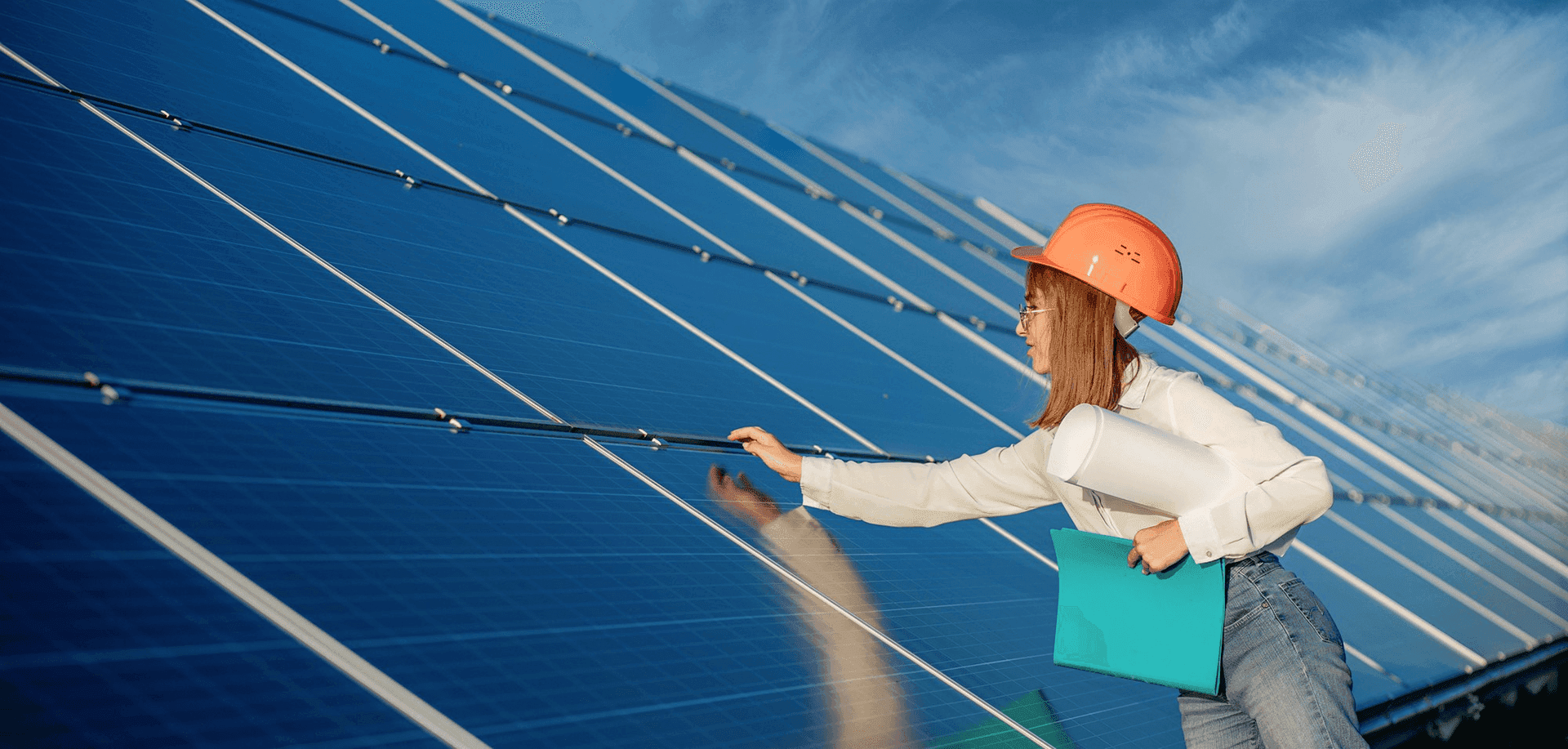
Review Your Estimated Solar Savings
Evaluating solar installation begins with understanding your location, monthly electricity usage, and qualification profile. A structured estimate can provide clearer insight into potential savings and system eligibility.